
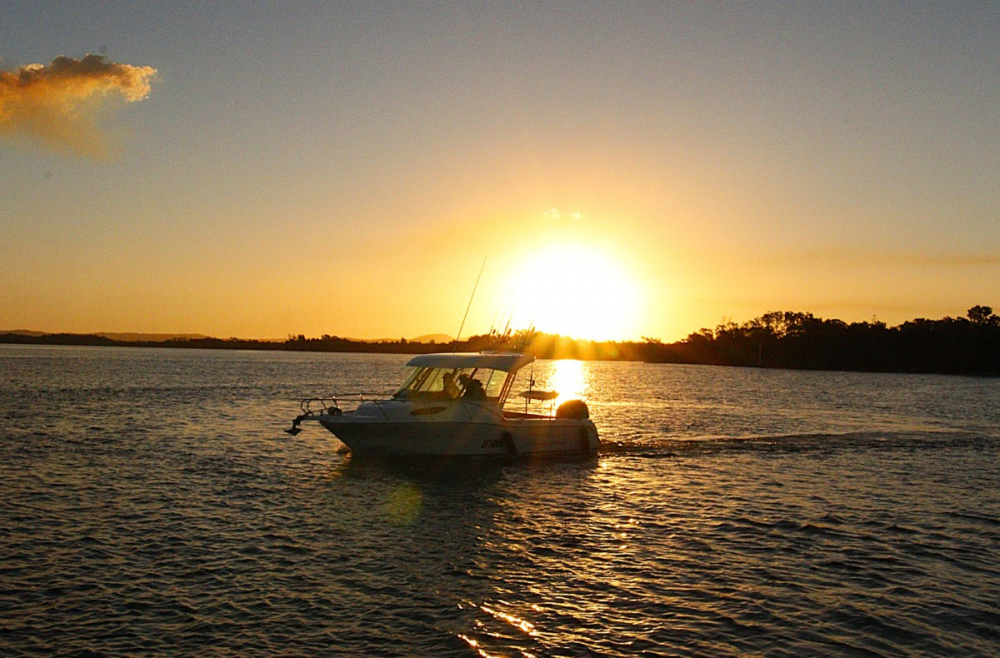
Boating at Northern Rivers, NSW
One good thing about a Melbourne winter is that it can provide an excellent incentive to be elsewhere, especially regarding boating. Hence, it was with great pleasure that I took on the mission to explore some of Australia's most popular aquatic playgrounds in the gentle warmth of Northern NSW.
The destination was the Northern Rivers, the three large rivers flowing through its rich farmlands, namely the Tweed, Richmond and Clarence Rivers. We would navigate the lower reaches of all three rivers, guided by local knowledge, explore nearby attractions and occasionally wet a line. Along the way, we would take a brand new Cruise Craft 595 Outsider hardtop out wide in search of large fish and sample the new hardtop where it is likely to be used most. They even supplied me with a Nissan Navara ST dual-cab ute to complete the mission.
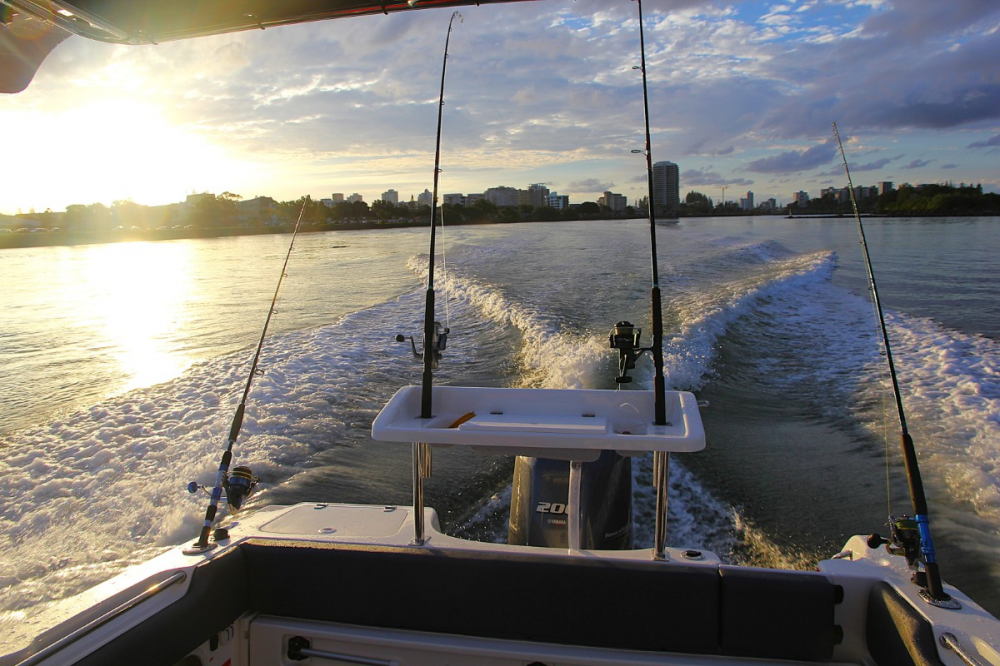
Tweed Heads
Our HQ for the first part of our journey was Tweed Heads, where we settled into a caravan park near the ocean entrance. The joint towns of Tweed Heads and Coolangatta, which straddle the NSW/Qld border, offer many accommodation options, with everything from high-rise apartments and resorts to campgrounds. There is also plenty of choice when it comes to dining and entertainment.
We were fortunate to meet resident fisherman Casey Harrison, who shared his knowledge of local hotspots, both offshore and throughout some of the nearby waterways. Casey would also join us for the last two days of our trip, exploring the lower reaches of the Richmond and Clarence Rivers.
Marlin Action? - Well, Not For Us This Time!
Word had it that there was some striped marlin action to be had a few km to the north-east of Tweed Heads out to the 110m mark, where a series of canyons converge near the continental shelf. Armed with suitable rods and lures and advice on traversing the Tweed River bar, we set out early on the first morning to try our luck. We had a fresh 15km/h south-easterly blowing us on our way, generating a lazy 1m swell.
The Tweed River offers plenty of launching options, several within only a few kays of the bar, so we were soon in the water and on our way.
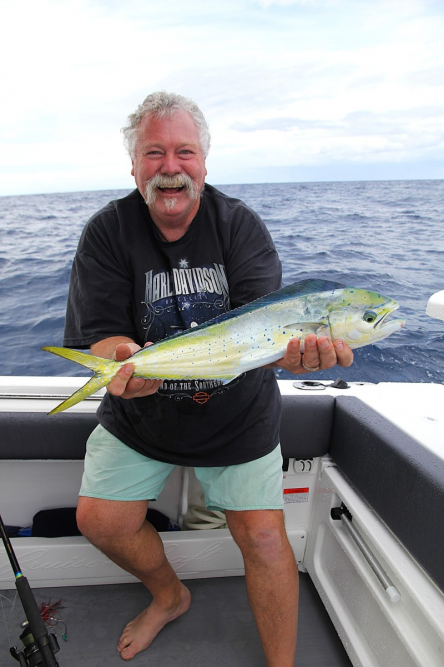
What followed was a few hours of wearing the paint off a series of lures – almost entirely to no effect save for one hapless juvenile dolphin fish that happened to be cruising by as our lures rudely interrupted his day. We also investigated a series of reefs closer to shore, further to our south, but while there was plenty happening on the sounder, it obviously wasn’t feeding time.
Our venture into the Tasman had at least allowed us to sample the Cruise Craft’s bluewater credentials. Despite a relatively lumpy sea for most of the day, we had no complaints about its ride, stability, and handling.
With offshore conditions deteriorating, we headed inland on the Tweed River the following day. Like the other two rivers to our south, it was still showing signs of the recent flooding that hit the northern NSW coast and hinterland. We needed to keep a sharp eye out for debris floating down the river, mainly in the form of logs and branches, but occasionally including car tyres and other urban waste.
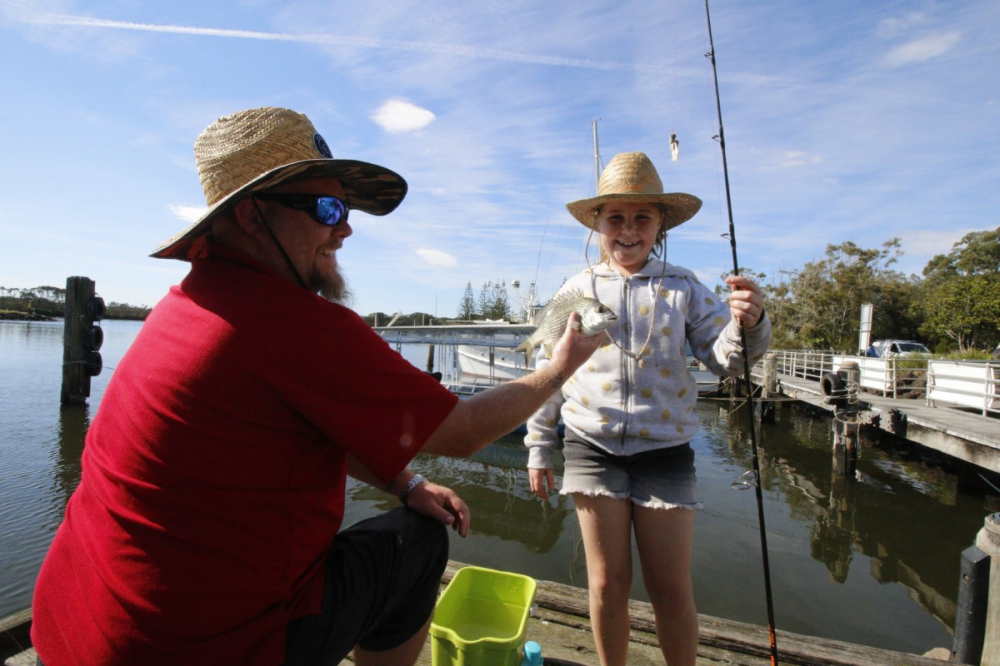
Due to the water still carrying plenty of sediment, we’d been told not to expect much in the way of fishing action, which proved to be the case. While we did try our luck from time to time chasing bream, tailor and also the mighty mulloway, it seemed that they were all either too well fed or simply not interested in what we had to offer.
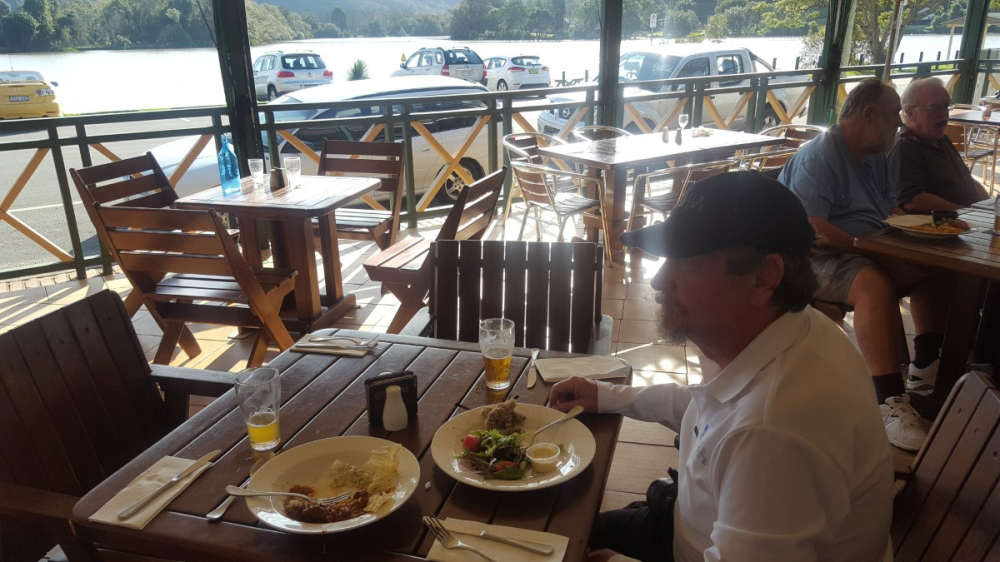
Sampling The North Coast Hospitality
Still, there was plenty to keep us occupied in the form of rustic visual distractions, and we enjoyed a lunchtime stopover about an hour upstream at the historic Tumbulgum Tavern, where we were treated to a fine traditional Aussie-style pub lunch. There’s a small jetty to tie up to adjacent to the pub, but you need to take notice of the local ferry timetable when visiting by boat.
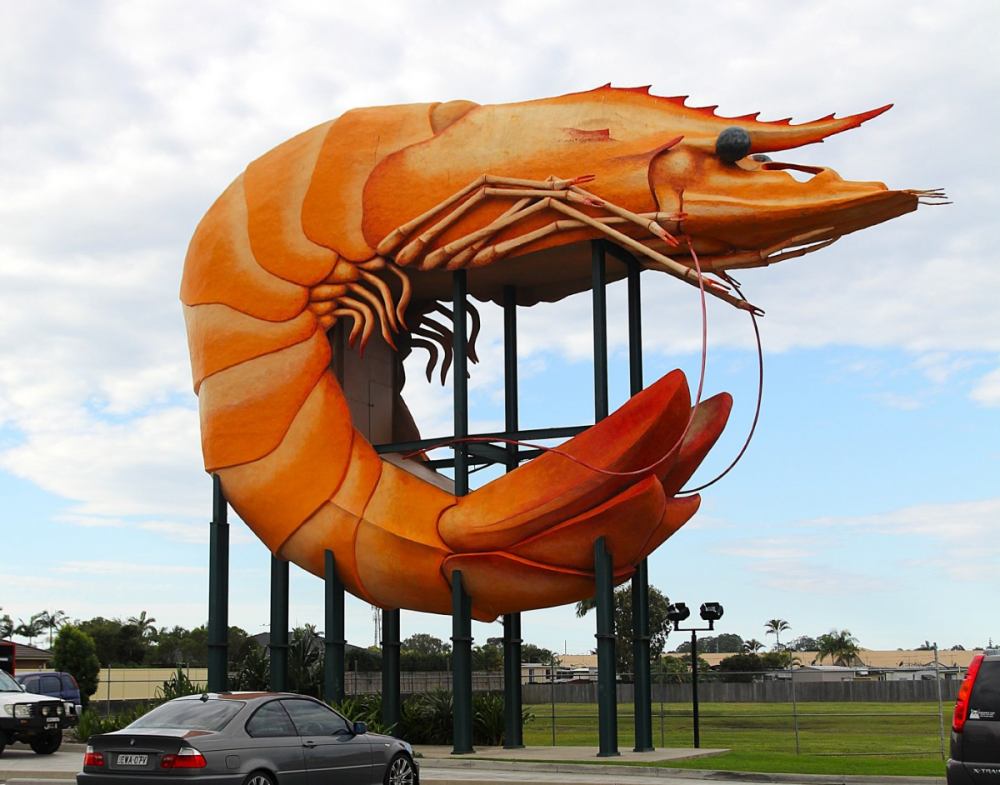
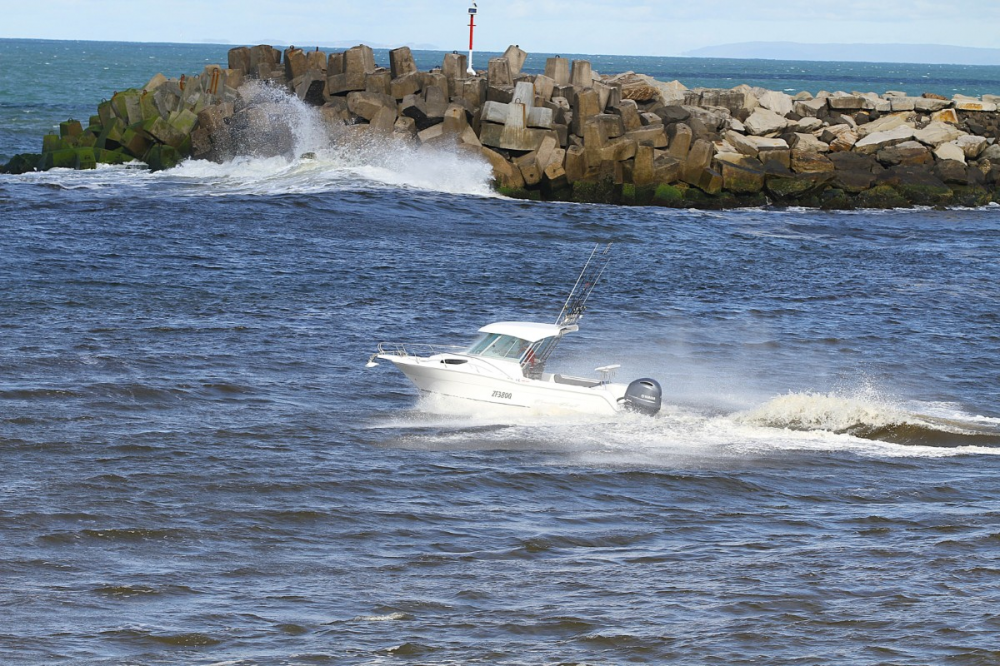
Midway through the week, we relocated about an hour south to the coastal centre of Ballina, where we were hosted by the friendly and professional folks at the Ballina Discovery Park, which is handily perched right on the headwaters of the Richmond River. In fact, it was only a five-minute walk along the nearby rock wall to the Richmond River bar, where a couple of minutes of observation of the southerly-driven swells confirmed that we weren’t likely to be heading out into the ocean for the remainder of our trip.
Our reluctance to try our luck at the entrance was borne out the following day as we meandered along the nearby rock wall in the Outsider in search of mulloway. A yacht approached the bar from the ocean side late in the afternoon and was greeted with a two-metre swell and breaking waves coming into the river. When it seemed likely that the vessel would try its luck, we pulled in our lines and waited inside the Richmond headwaters, just in case. Eventually, after some radio discussion with the local marine rescue service, the yacht’s crew – wisely, we thought – chose discretion ahead of valour and headed north for other options.

Local Knowledge
The following day, we spent an enjoyable few hours exploring the Richmond River and fishing the waters inside the breakwater. Relying on the principle that the locals usually know best, we hung with a group of boats off the sandflats on the southern side of the river and were rewarded with a few average-sized bream using squid and pillies. This was our most productive fishing session for the whole trip. However, speaking with locals, it was apparent that on a good day, there were plenty of mulloway and tailor on offer just inside the river entrance, while decent flatties and bream occupied the waters around the Ballina township. Further upriver, we were told good-sized bass could be found.
As with our earlier voyage up the Tweed, there was still plenty of evidence of the floods on the Richmond, with tree limbs and other debris ensuring we kept our eyes sharp as we headed for the small settlement of Wardell, about a half hour’s lazy cruise from Ballina. We were told the trip would be worth it simply because of the Wardell Pie Shop, which we conveniently discovered around lunchtime.
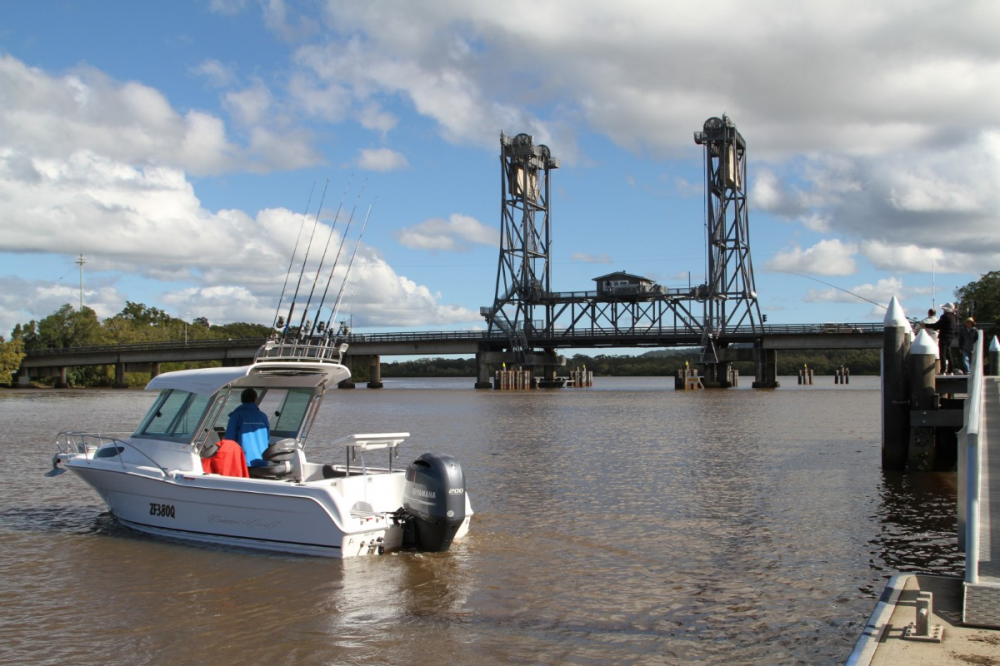
There’s a well-maintained public jetty to tie up to, and as we discovered, it was well worth the effort as we enjoyed a couple of traditional-style pies on the banks of the river, nicely washed down with a couple of cold ales at the Royal Hotel.
Yamba, on the headwaters of the Clarence River, was our next stop. An easy hour’s drive south of Ballina, the Clarence is the most extensive river system on the eastern seaboard with a total length of nearly 400km. It’s a haven for boating and hosts the Bridge to Bridge ski race and sailing regattas each year.
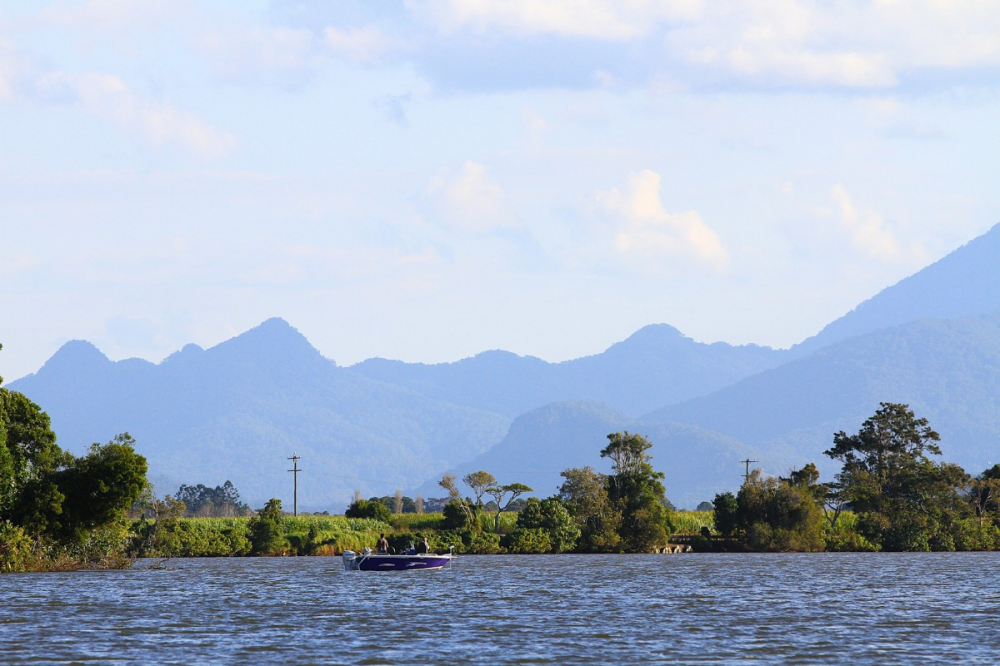
Complex Waterways
At Yamba, where it meets the ocean, the river splits into various arms and channels, and it’s worthwhile to familiarise yourself with its complexities, especially when navigating after sunset. As with the other two rivers, crossing the bar requires some care and common sense. Speak to the locals if you’re heading out for the day and let someone know your plans, just in case.
We were fortunate to have the company of locals Damo and his buddy Mitch for a session chasing mulloway and other species near the various rock walls and other artificial structures near the mouth of the river. While the fish weren’t exactly competing for our baits and lures, we saw plenty of evidence of decent catches on other boats around us on the day, with mulloway up to 25kg being taken.
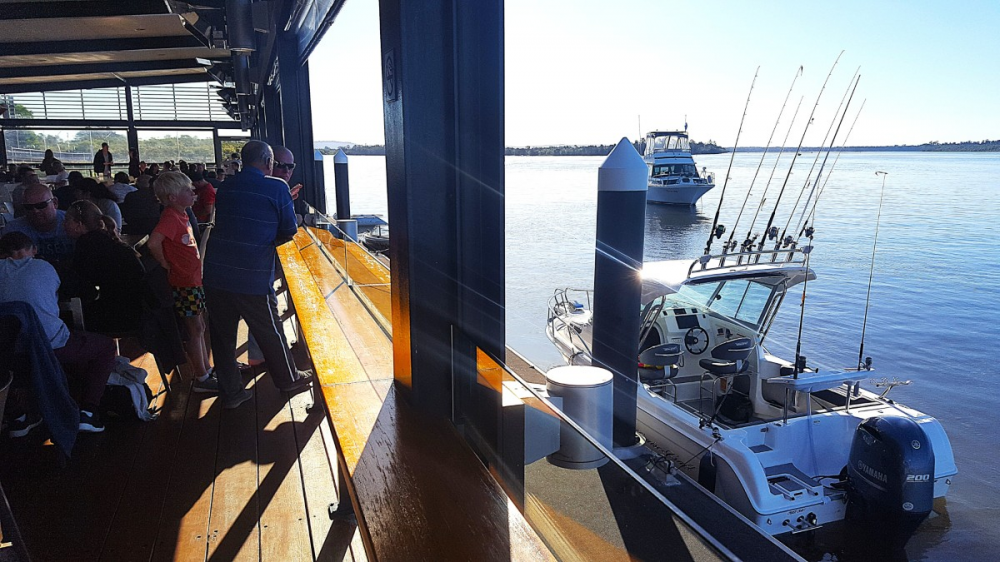
I can certainly recommend a lunch break at the Yamba Shores Tavern, which overlooks the river and has plenty of space on its floating jetty for boating visitors. It’s a great view and there are plenty of dining options to cater for all tastes.
Coastal Attractions
While much of our time was spent on the water searching for various elusive local fish species, there are plenty of other attractions and scenic highlights along this section of the coast. Notable spots worth a visit include the tourist mecca of Byron Bay, the picturesque hamlet of Brunswick Heads and for surfers and beachcombers, Lennox Head is worth a look for its great wave action, while Evans Head is known for its inshore reef system fishing.
The entire Northern Rivers region is well set up for tourism and boating. There are numerous caravan and camping parks close to the water, many with their own launching and cleaning facilities. And for those looking for a bit more luxury, plenty of resort-style options are on offer. It’s worth noting that you might want to book well in advance if you’re planning on visiting during peak tourism seasons.
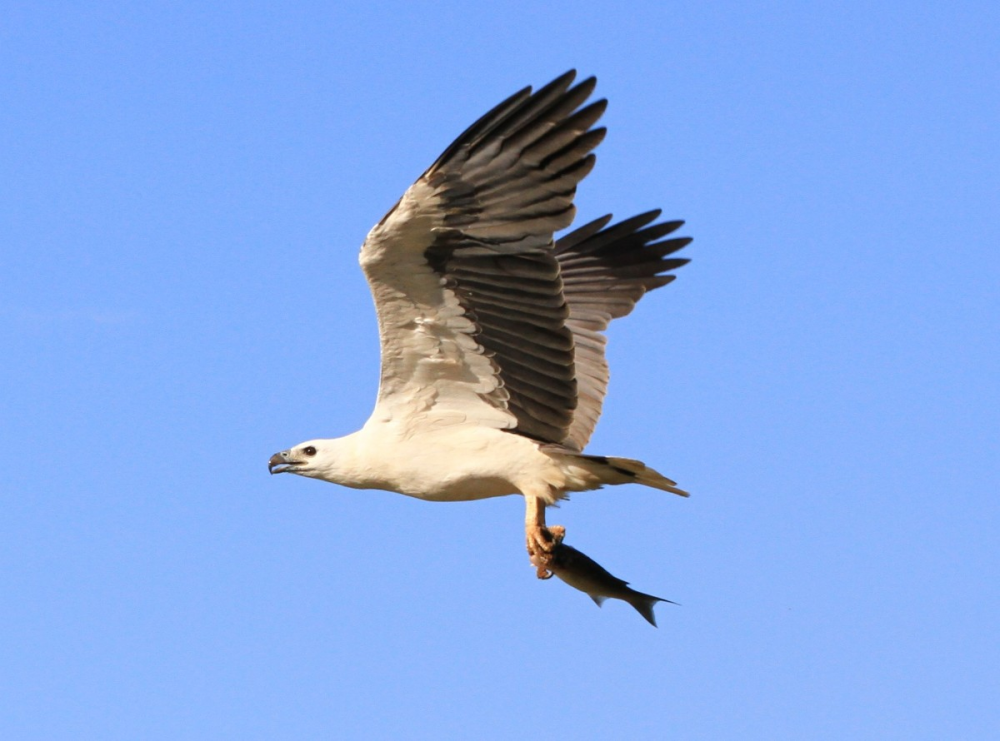
If the weather’s not cooperating, there are numerous attractions for those with an interest in local history. Plus, there’s an abundance of local seafood and dining options, so taste buds will be in for a good workout. Then there's the abundance of local wildlife, which is often best seen by boat!
If you wish to head out into the ocean, you need to notify local marine rescue services of your plans and seek advice on weather and bar conditions, which can change rapidly depending on wind and tide.
Whether you’re into tow sports, sailing, freshwater or saltwater fishing, or enjoy exploring our fantastic coastline from the comfort of a boat, the Northern Rivers region can cater for just about every boating activity.

Daydreaming of Your Next Holiday?
You can also check out our Queensland adventures while boating at Tin Can Bay, an absolutely incredible boating utopia.
And if you're in the market to buy, Only Boats has great deals on all boats for sale, including used boats and new boats. You can also check out our used boat buying guide.
Smooth sailing starts with the right boat. We’re here to help you find it!
Getting boat finance sorted shouldn't be the hard part of boat ownership. Credit One has helped thousands of Australians get on the water, earning a reputation as Australia's best-reviewed finance broker with 3,000+ glowing Google reviews to show for it. See what customers have experienced by reading their Credit One reviews, or use the loan repayment calculator to work through your options.