
Buying a Boat in Australia: How to Make the Right Choice
As summer draws near, Australians are once again drawn to the water. For many, boating is the ultimate leisure pursuit – a way to break free from routine, soak up the outdoors, and enjoy time with family and mates. Whether your passion is fishing, water skiing, sailing, or simply cruising, few experiences match the thrill of spray on your face and the wind in your hair.
Across the country, more than 30,000 used boats are listed for sale every month, attracting both first-time owners and those upgrading to their next vessel. But the excitement of a new purchase can cloud judgement. Many buyers don’t know what type of boat they actually need, nor how to assess whether the vessel they’re eyeing off is in good condition. It’s easy to get caught up in shiny finishes and polished decks, but as the saying goes, “beauty is only skin deep.” Failing to look beneath the surface can lead to disappointment – and expensive surprises – after money has changed hands.
Sellers, of course, are chasing the best return on their pride and joy. Some boats are well maintained and worth the asking price, while others may be hiding costly issues. As the old adage warns: “let the buyer beware.” Knowing what lies beneath could save you from serious financial pain or, worse, trouble on the water.
Key Things to Consider When Buying a Second-Hand Boat
Choosing the Right Boat
Before you hit the classifieds, take a step back and think about how you’ll actually use your boat:
- Purpose – Will you mainly fish, ski, sail, or cruise? And will you use it offshore, in sheltered estuaries, or on inland lakes and rivers? Matching the boat’s design and construction to your primary activity is essential.
- Passenger capacity – How many people will you usually take aboard? Check the Builder’s Plate to ensure the vessel can safely accommodate your needs.
- Towing weight – If you’ll be trailering, factor in the full package: hull, motor, trailer, fuel, and gear. Make sure your vehicle can legally and safely handle the load.
- Storage – Will you keep the boat at a marina, in dry stack, or on a trailer? Each option has costs and availability issues you’ll need to budget for.
Finding Boats for Sale
This is where the fun begins. Once you’ve narrowed down the style of boat and budget, start shortlisting potential candidates. Boats are listed everywhere – online platforms, dealerships, brokers, and even through word of mouth.
When you find one that looks promising, be wary of photos that make the vessel appear better than reality. It’s a common trap and can raise your hopes before you even step aboard.
Inspect Before You Buy
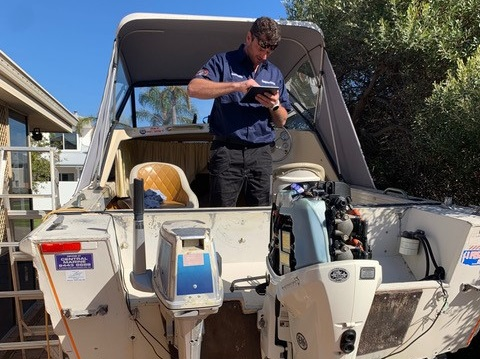
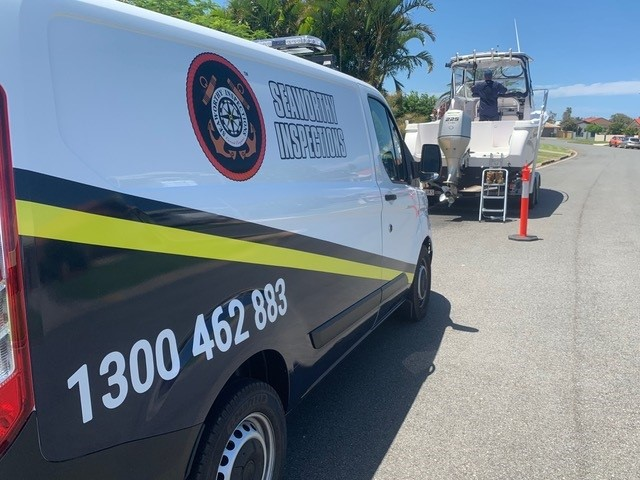
Unless you’re highly knowledgeable in hull construction, marine electrics, and mechanical systems, hiring a marine surveyor or professional inspector is the smartest move. A third-party expert can strip the emotion out of the process and give you a clear understanding of the boat’s real condition. This helps you make an informed decision, negotiate repairs into the price, or walk away if needed.
What’s Involved in a Boat Pre-Purchase Inspection?
A thorough inspection covers every part of the vessel, not just the engine. Areas to assess include:
- Hull – Look for cracks, water intrusion, corrosion, or electrolysis (for aluminium). Moisture readings in fibreglass and timber hulls help detect hidden rot.
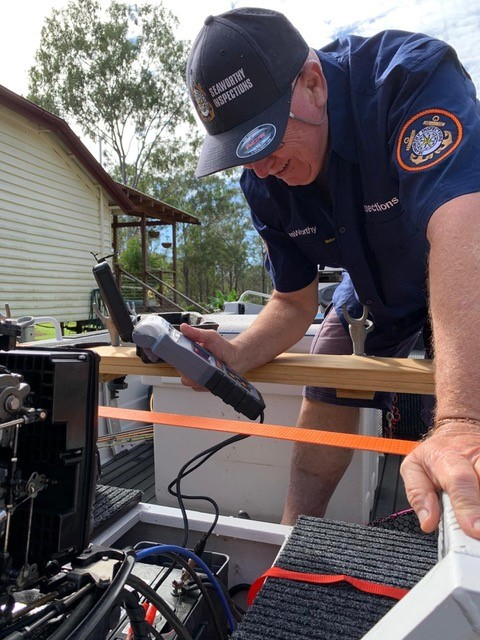
- Mechanical systems – Engines should be compression tested, run to check performance, and inspected for leaks or corrosion. Gear shifts, steering, and propellers must also function properly.
- Electrical systems – Electronics, wiring, and connections need to be tested for reliability.
- Pumps – Bilge, deck wash, fresh, and grey water pumps should all operate without leaks.
- Safety gear – Lifejackets, fire extinguishers, flares, EPIRBs, and other mandatory equipment must be compliant with your state’s marine regulations.
- Trailer – A boat is only as reliable as the trailer beneath it. Bearings, brakes, lights, tyres, and suspension all need to be in sound condition.
The Importance of a Boat’s Maintenance History
A vessel’s service record can make or break a deal. A clear log of regular maintenance, repairs, and equipment replacements provides confidence to buyers and can justify a higher asking price.
Apps like Tracket make it easy for owners to keep detailed records. Buyers benefit by having access to this history, while sellers can boost their boat’s credibility. Seaworthy Inspections recommends Tracket as a valuable tool to streamline ownership and sales.
Final Thoughts
A detailed inspection report equips you to make the right call: proceed with the purchase, negotiate a sharper price, or walk away altogether. By doing your homework and seeking professional advice, you’ll avoid costly mistakes and enjoy your new boat with confidence.
Getting boat finance sorted shouldn't be the hard part of boat ownership. Credit One has helped thousands of Australians get on the water, earning a reputation as Australia's best-reviewed finance broker with 3,000+ glowing Google reviews to show for it. See what customers have experienced by reading their Credit One reviews, or use the loan repayment calculator to work through your options.