

How To Read Boating Conditions
We live in a country that can be blessed or sometimes damned by its weather. In many ways, the weather controls our lives, work, efforts, and emotions. Most of all, it controls our recreation and indeed our conversation. For many nomads, it controls the pattern of their lives: south in summer and north in winter.
Remember the poem by Dorothea Mackellar,
"I love a sunburnt country,
A land of sweeping plains,
Of ragged mountain ranges,
Of droughts and flooding rains.
I love her far horizons,
I love her jewel-sea,
Her beauty and her terror -
The wide brown land for me!"
Whether your prime interest is on the wide brown land, the ragged mountain ranges or out on the jewel sea, the climate dictates your movements, or it should. Fishermen have a keen interest in the weather. It's not only vital for boating safety, but proper forecasting makes for better fishing in all its different forms. Fly flickers look for weather breaks to stimulate insect hatches: rock fishermen need low swell to access outcrops and platforms; big swells and onshore winds generally wipe out surf fishos, and up north the end of “the wet” is the trigger for barra safaris. The weather can dictate your access to that hidden spot, or more importantly, the exit.
Understanding some simple weather principles will help you plan fishing trips, off-road treks, short and long holidays, and travel directions. There’s nothing worse than spending all your time and money getting to a destination only to find it’s flooded out, or inclement weather keeps you confined.
A Marine Forecast Will Help You Predict Swell, Waves, Wind and Direction
With the knowledge you will gain, you will be able to:
-
Plan trips and activities with confidence
-
Avoid getting caught in severe weather
-
Maximise your time outdoors and on the water
-
Appreciate the beauty and terror of Australia's jewel-sea and wide brown land
-
Choose a sheltered boating destination or campsite that is protected from the predicted wind direction
Prediction
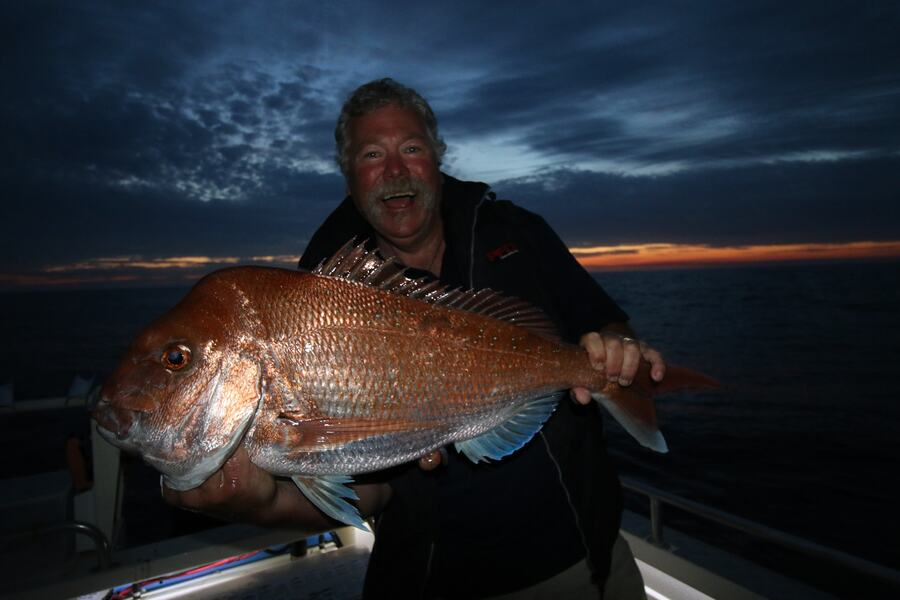
During the height of our Victorian snapper season, I plan my life days ahead by reading a weather map and predicting the peak fishing periods. As a general rule, fish get hungry on rising barometers. There are a lot of theories, but two basic conclusions.
Firstly, a rising barometer generally heralds improving weather after a low pressure has stirred the waterways and blown the trees, releasing all sorts of fish food from river banks, foliage, sandy beaches and rocky shorelines. Secondly, rising air pressure constricts the size of a fish’s air bladder, leaving a hungry cavity in the belly. The first is fact – the second theory.
The Weather Map
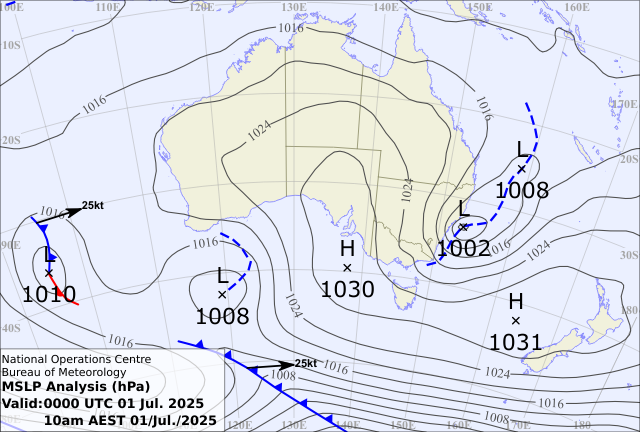
The weather map is your best friend. It is readily available on many websites, but most stem from the Australian Bureau of Meteorology forecasting facilities. There is barely a day that goes by that I don’t visit their website. It’s readily available on all modern internet access equipment, including phones, iPads and laptops. Whether you’re going boating or jumping on a train, it’s nice to know what you’re in for to plan equipment, clothing and movements. I like to think that I’m often better at predicting weather patterns than the Bureau itself with the information quickly gathered from a weather map.
We all know that there are low-pressure and high-pressure systems, but their size, position, and strength are the key elements. Low-pressure systems are called cyclones; conversely, high-pressure systems are anti–cyclones. The wind in cyclones moves in a clockwise direction, and anti–cyclones, of course, rotate in an anti-clockwise manner.
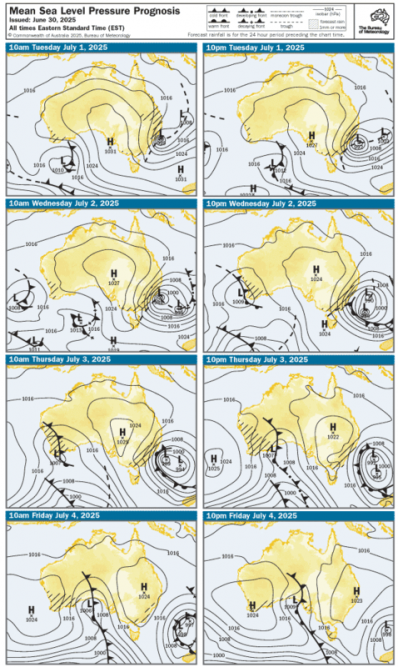
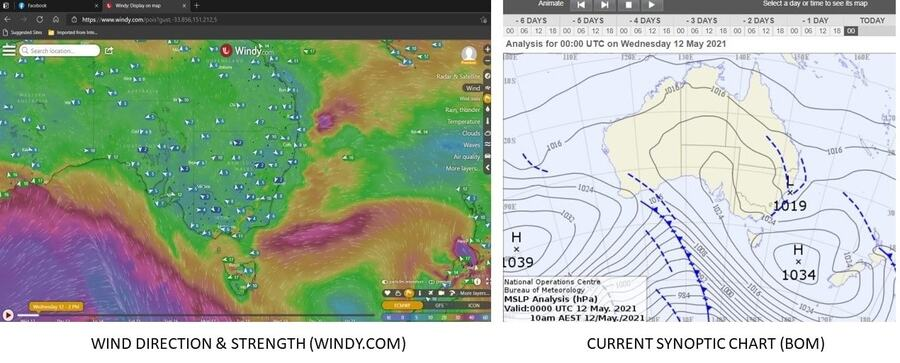
Systems generally move across the country from west to east; however, there are always exceptions to the rule. Deep tropical low pressures often form into intense cyclones that can bounce all over the top end, travelling north, south, east or west and tending to bounce up and down coastlines with destructive fury. Similarly, in the example above, which is the forecast map at the time of writing, it shows an intense low-pressure system bouncing southwards to form a quite destructive "east coast low". In fact, the BOM are currently calling it a "Bomb Cyclone!"
As a general rule, you can follow the path of weather from west to east across the country, and once familiar with the patterns, you can roughly predict the weather out to around four days ahead. This gives you time to plan your fishing trip to maximise your effort.
Wind Speed
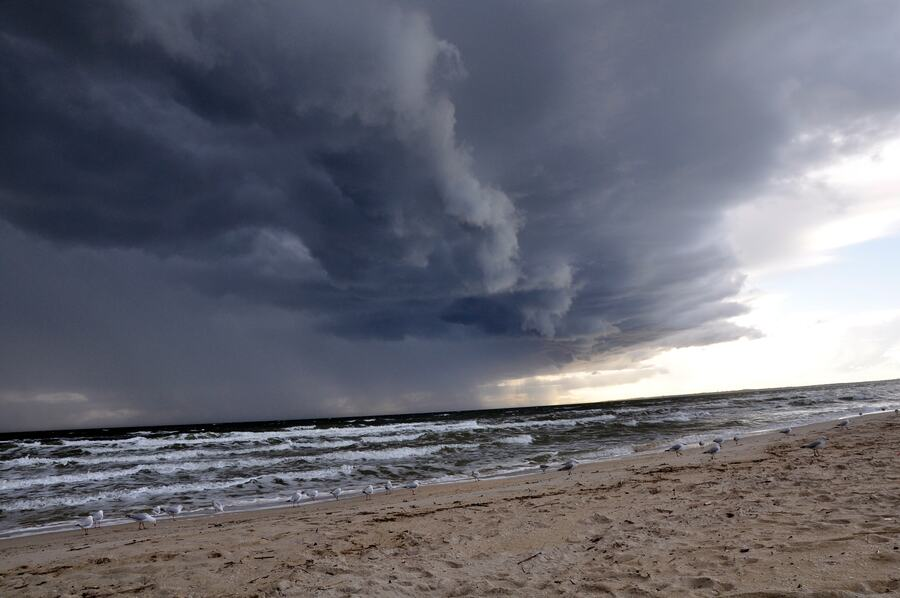
You can forecast the wind strength from the spread of the isobars. They are the lines of gradient of air pressure on the map, and the closer together they are, the more wind is generated. An approaching front will generally show as humps, or ridges in the isobars, and the Bureau will highlight this with a bold line across the gradient warning of the stronger wind strength. Fronts are usually associated with the change from a low to a high-pressure zone, where the winds will often swing around 180 degrees and increase in strength, mostly bringing rain and storms.
There are plenty of other variables involved, such as tropical depressions, jet streams and inversions, as well as the factors creating uplift, where wind rises due to being pushed up by fronts, mountain ranges, and thermal changes when cold sea air hits a warmer land mass, or vice versa. Rising air cools quickly, often resulting in rainfall or even snow and hail. You can begin to predict the approaching temperatures with a basic understanding of where the wind is coming from. Northerly winds in southern regions come from a warmer inland source, yet deep-seated southerlies can be dragged up by the back end of a low-pressure system, followed by an approaching high, bringing an Antarctic blast to chill the spine.
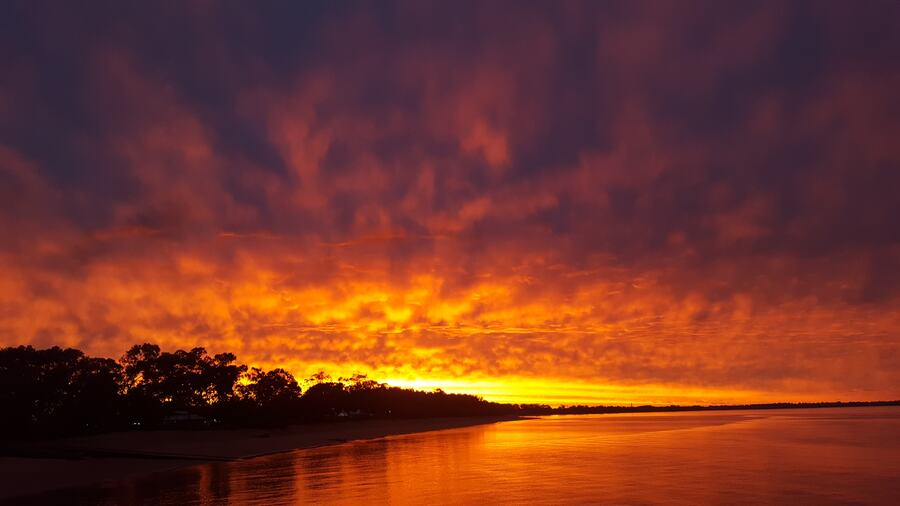
Horses Tails and Mackerel Scales
Seafarers of old didn’t have access to weather forecasting services or barometers. They predicted the oncoming weather by studying the clouds. It’s fascinating to study cloud and weather patterns, and just as fascinating are some of the old seadog sayings, such as “wind in the east, fish bite the least” – probably because an easterly wind in our region usually coincides with a falling barometer. My favourite was “Horses tails and mackerel scales make tall ships set short sails” The horses tails are the high, windswept cirrus clouds that are made up of ice crystals that sweep through the upper levels, looking just like horses' tails. The mackerel scales are the mid-level alto cumulus clouds that look just like the speckled sides of a mackerel. Both of these clouds are good signs of high winds to follow, and hence, tall ships set the short storm jibs to weather the blow.
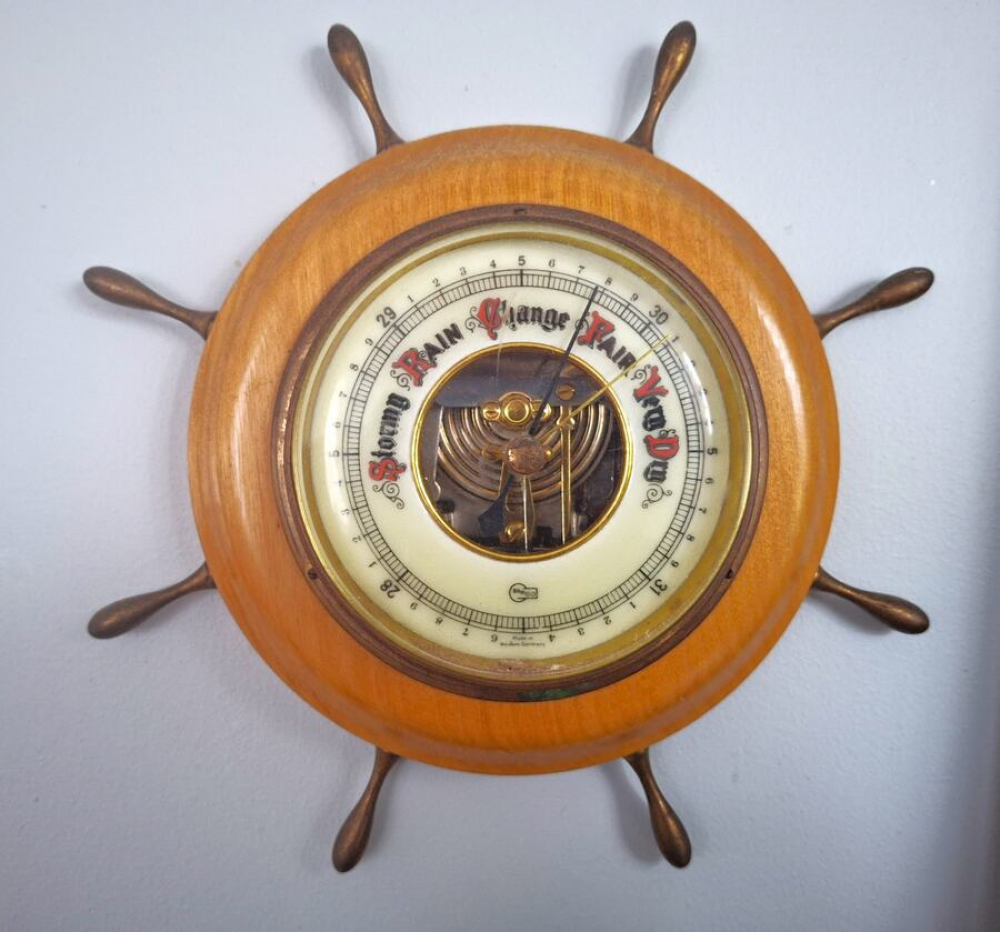
A barometer is a great tool for both home and for the traveller, particularly a travelling fisho. The speed and depth of a falling barometer will indicate just how bad an approaching low-pressure front may be. Yet, a slowly rising barometer will indicate better weather, and often superb fishing conditions. Note that the barometer image above coincides with the forecast map above on the NSW south coast.
If you are boating in exposed waters, you can relate the wind strength, direction, and timing to your map or chart, allowing maximum protection from wind waves from the surrounding land upwind. But to stay safely out of the danger zone, don't forget other factors such as changes, swell height, and tidal streams.
Nowadays, we have some excellent online forecasting services that give up-to-the-minute information in the palm of your hand. I gave this article to a forecasting-challenged friend of mine to see if it made sense to the novice. She replied, " Isn’t this why God created TV weather presenters?” Yep!
That said, being aware of the weather will undoubtedly assist you in planning your travels and your fishing efforts. Weather patterns are a lot of fun to study and teach you a greater awareness of our beautiful Australian environment. Have a nice day!
Ready to Set Sail?
Find your dream boat online at Only Boats! We have great deals on boats for sale, including used boats and new boats. You can also check out our used boat buying guide.
If you're upgrading or planning to sell your boat, why not explore our expert guide on how to improve boat resale value. If you're planning to attend a boat show soon, we've also put together a detailed boat show buying guide that's perfect for first-time buyers.
Smooth sailing starts with the right boat. We’re here to help you find it!
Getting boat finance sorted shouldn't be the hard part of boat ownership. Credit One has helped thousands of Australians get on the water, earning a reputation as Australia's best-reviewed finance broker with 3,000+ glowing Google reviews to show for it. See what customers have experienced by reading their Credit One reviews, or use the loan repayment calculator to work through your options.